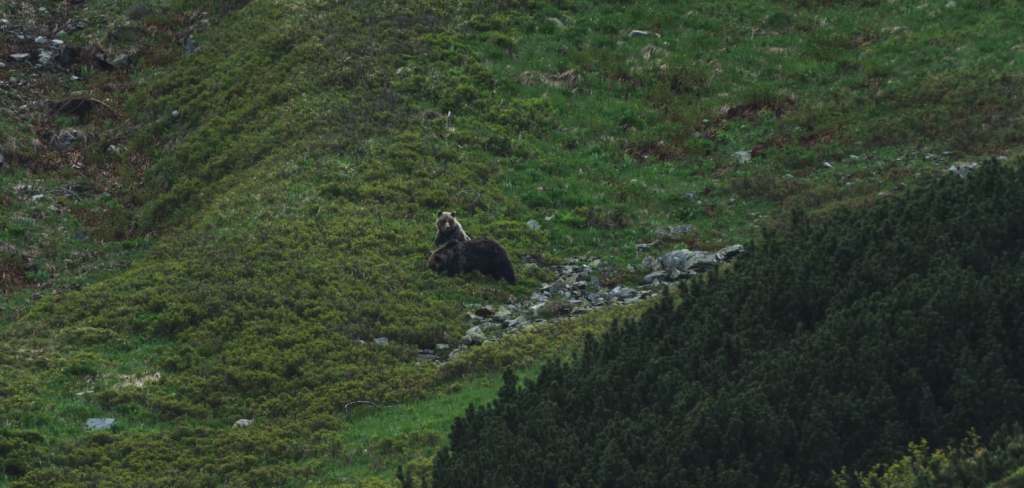
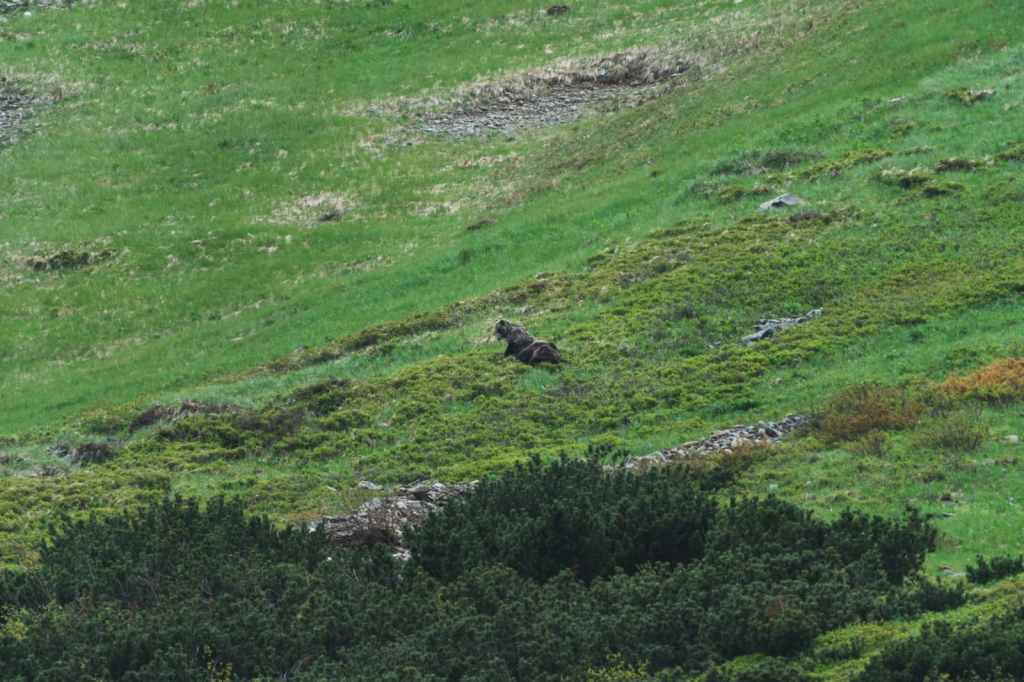
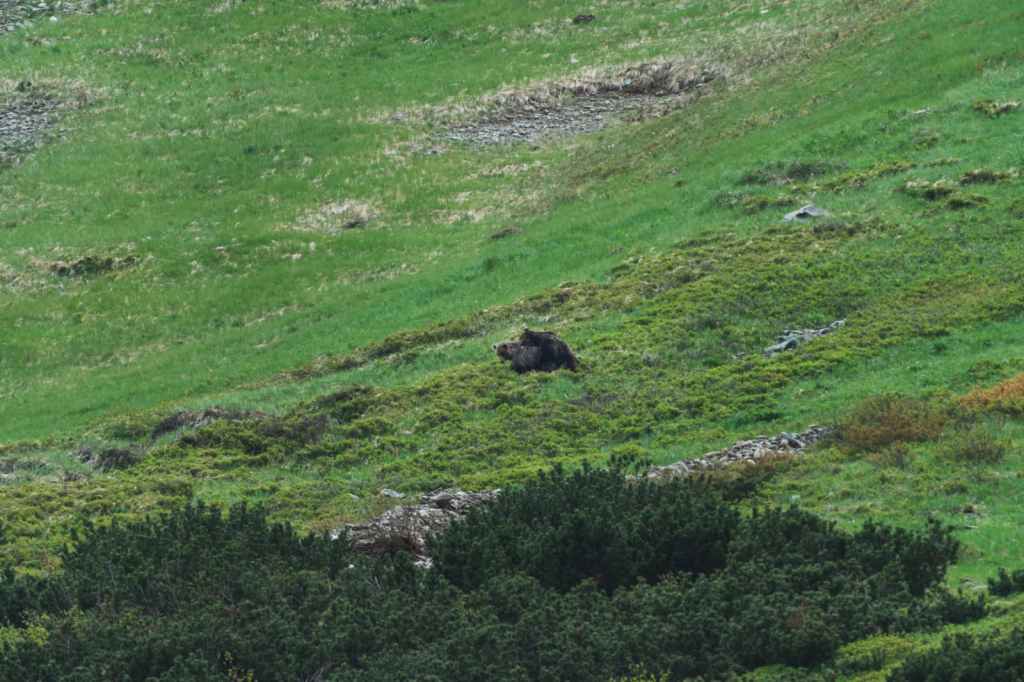
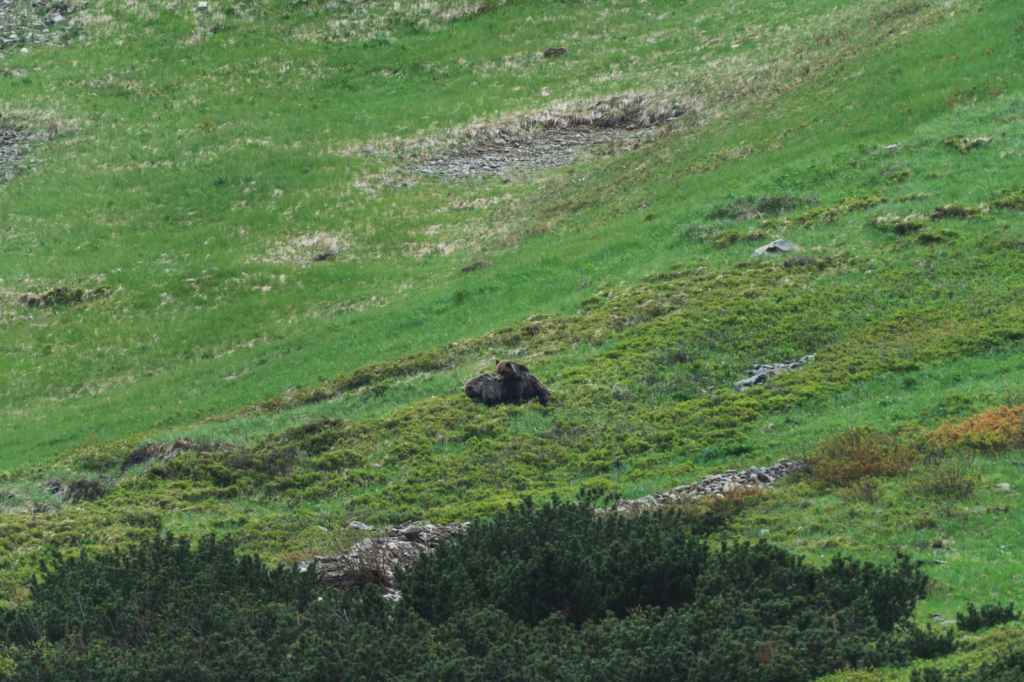
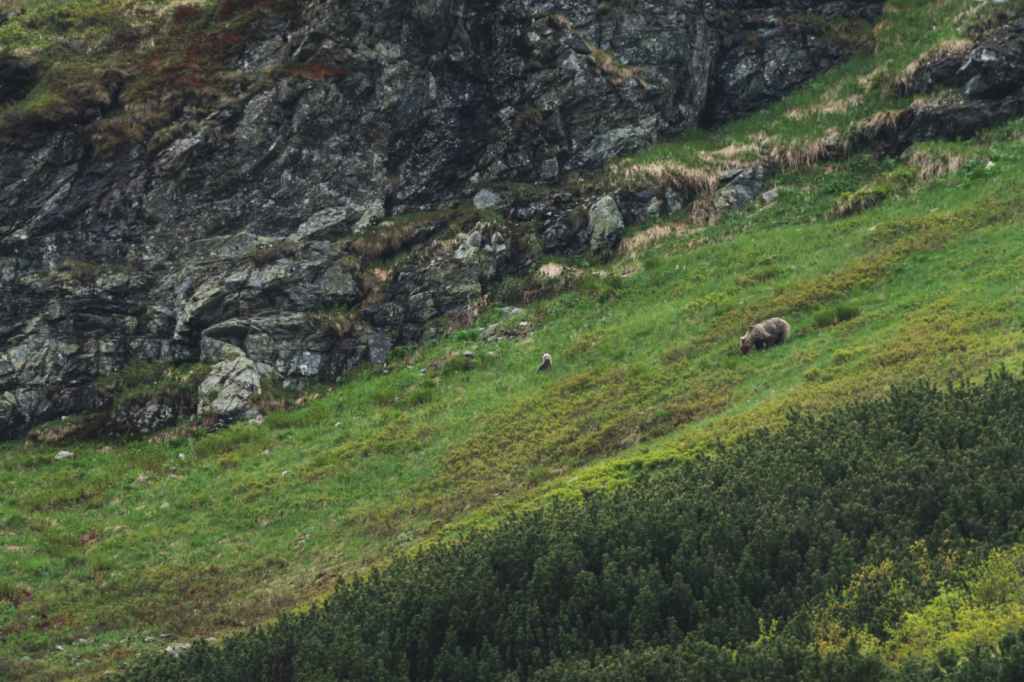
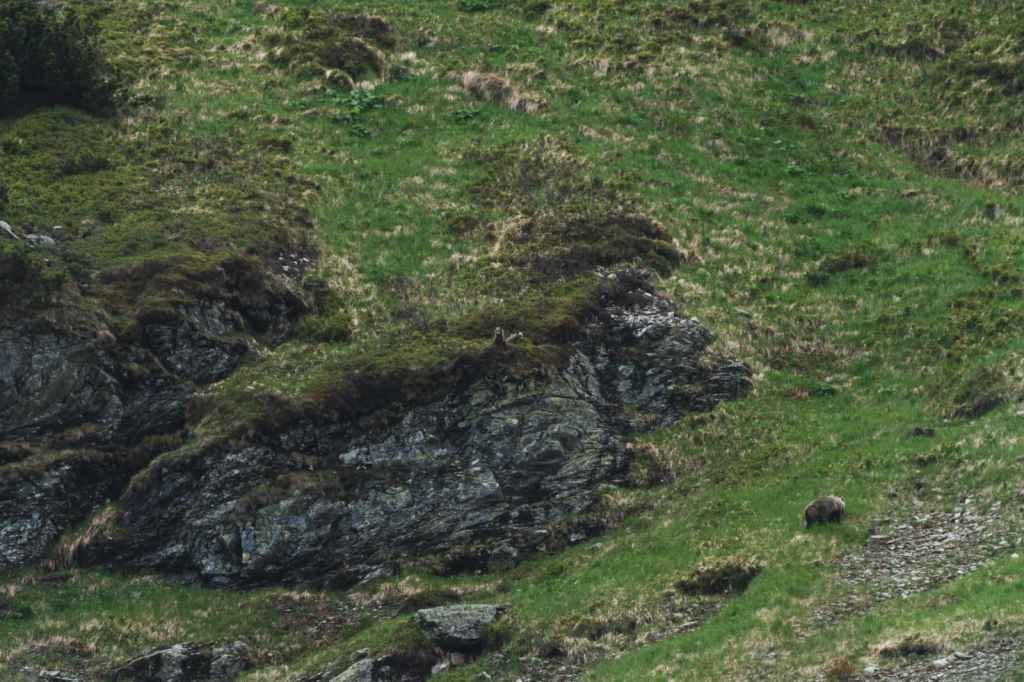
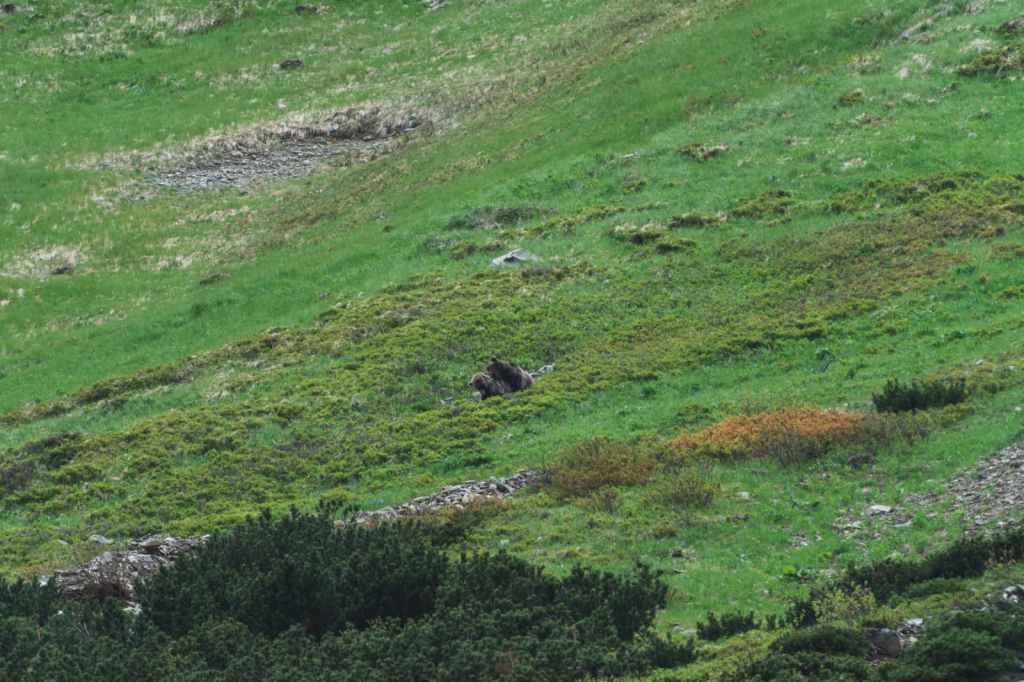
The brown bear’s diet changes throughout the year according to seasonal food availability. In early spring, shortly after emerging from hibernation, bears feed on spruce needles, willow catkins, overwintered berries, beechnuts, acorns, hazelnuts, alder fruits, beech buds, and ant nests. Carcasses of ungulates that died during winter or were killed by other predators are also an important food source. During this period, bears may additionally exploit feeding stations and other human-related food sources.
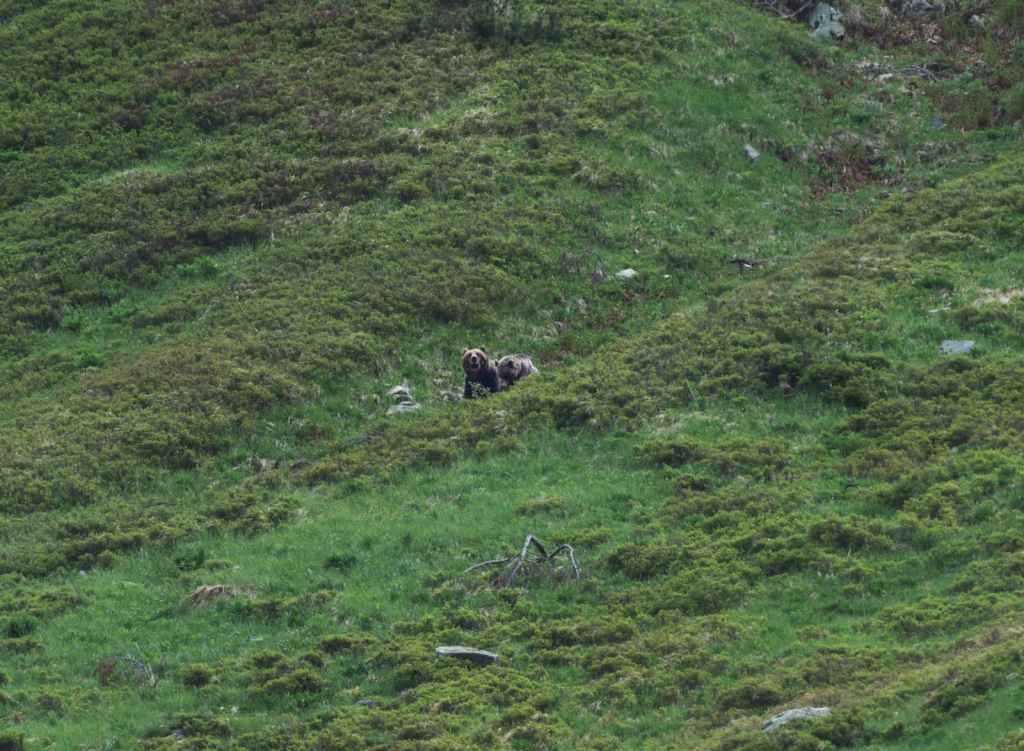
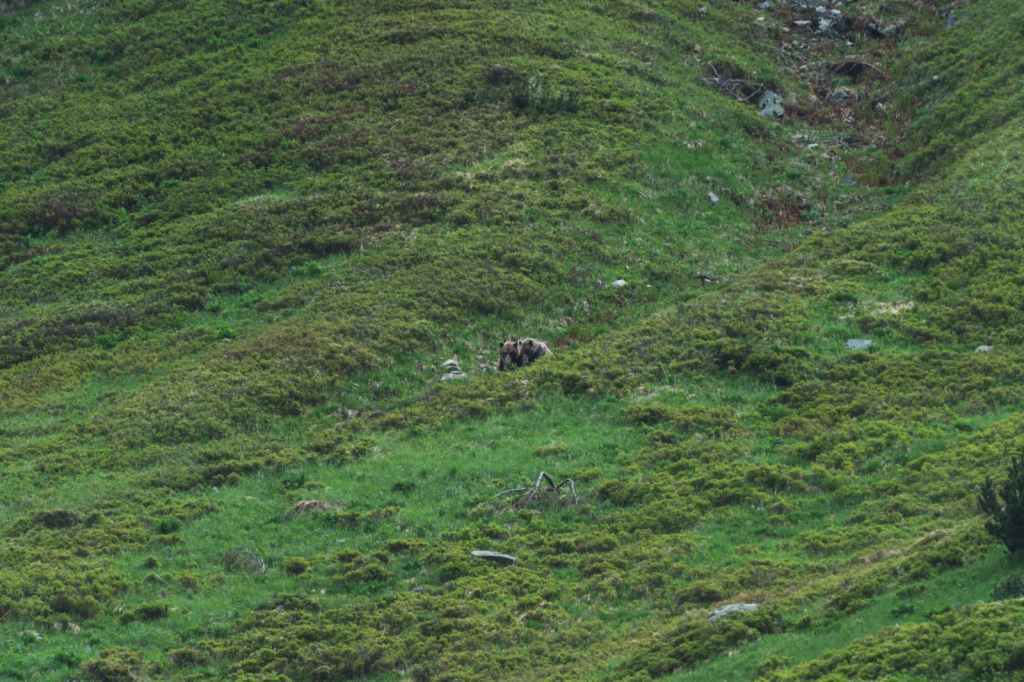
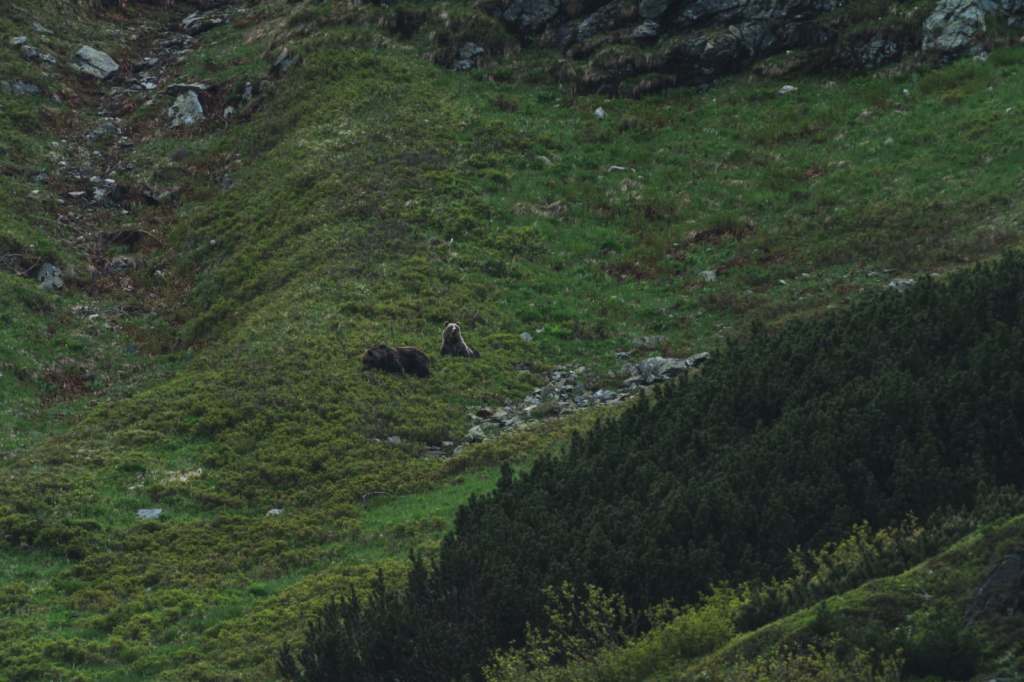
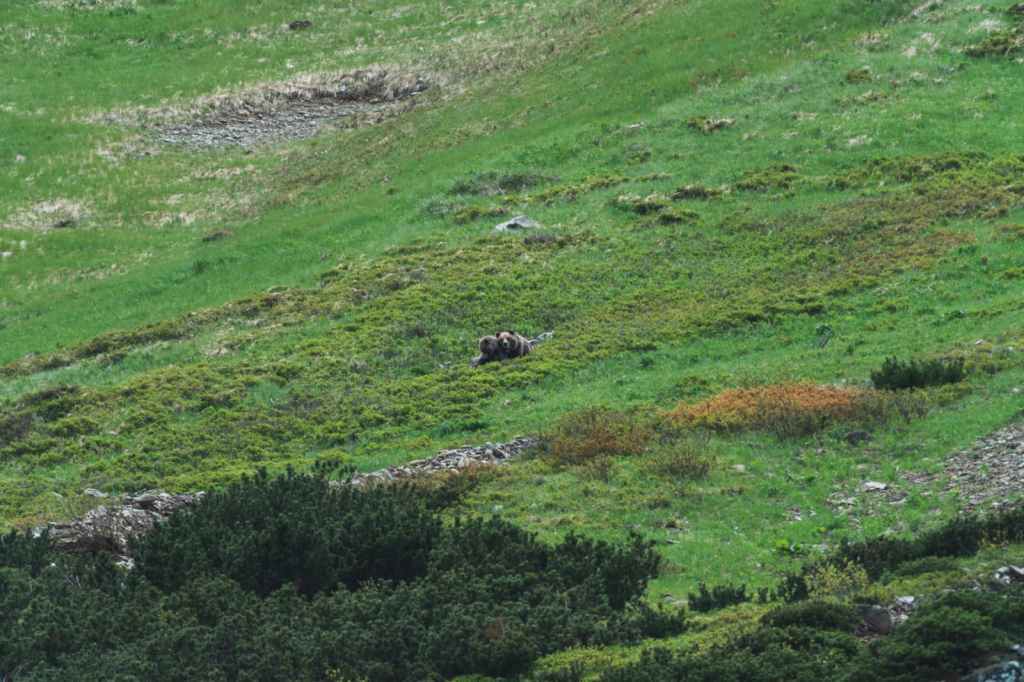
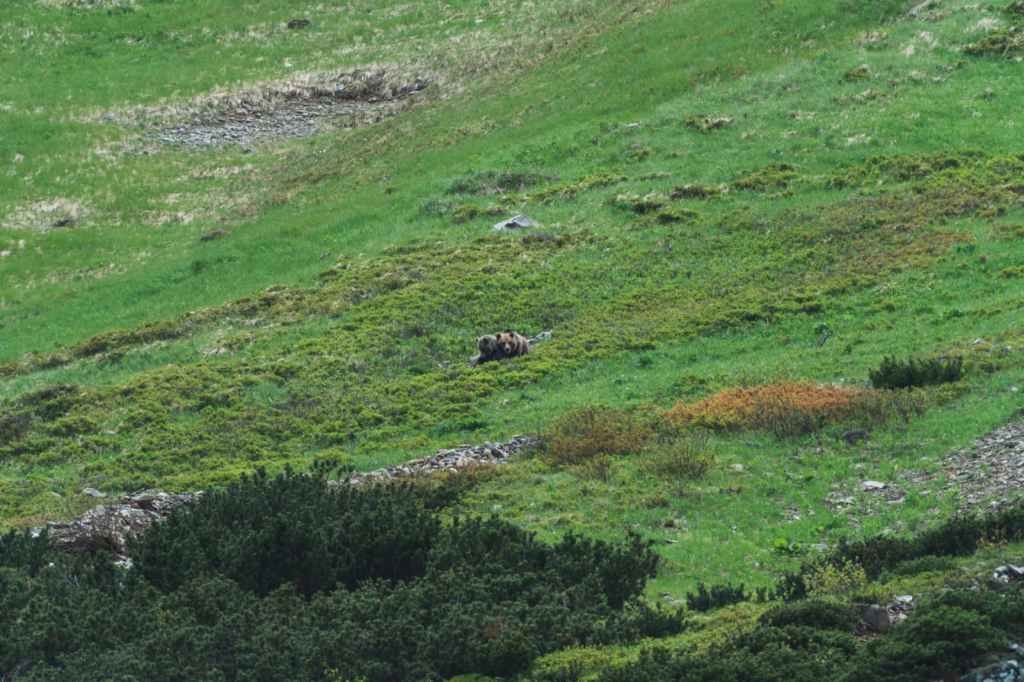
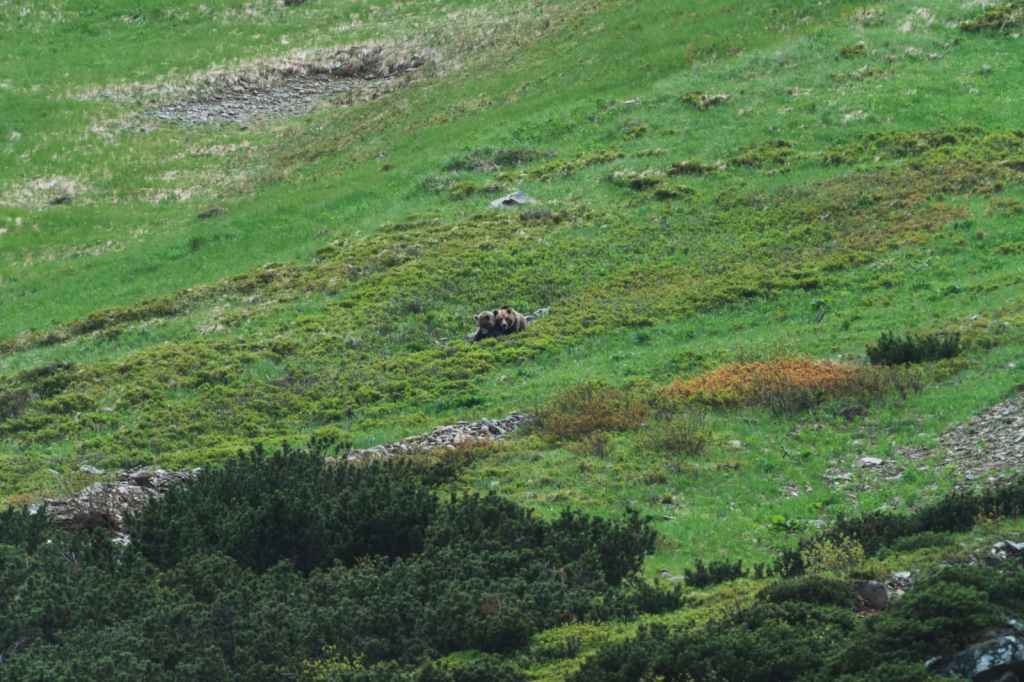
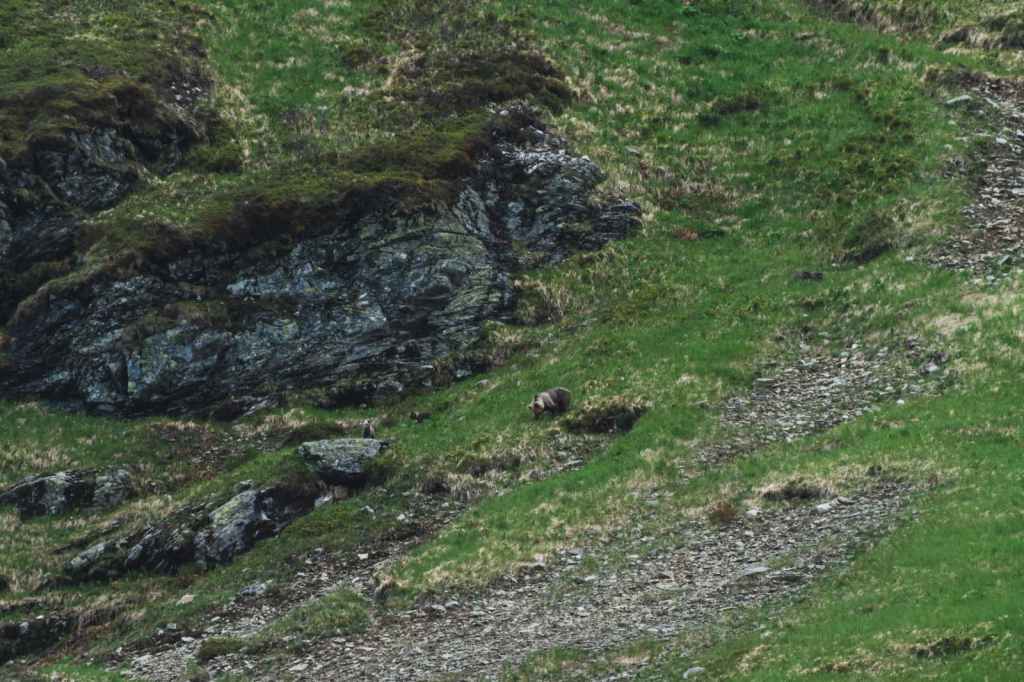
As vegetation begins to grow, grasses and herbs become the primary components of the bear’s diet. Bears seek out areas where plants emerge earliest, such as south-facing slopes, moist meadows, and mountain stream corridors. They prefer young, nutrient-rich vegetation and may travel to alpine meadows in search of fresh forage.
In summer, as the nutritional value of herbs declines, bears shift to ripening wild fruits, particularly blueberries and raspberries. Reliance on human-associated food sources is typically at its lowest during this season.
Late summer and autumn are characterized by hyperphagia, a period of intense feeding during which bears build the fat reserves necessary for hibernation. Energy-rich berries, seeds, and nuts become essential. Bears may congregate in areas with abundant crops of beechnuts, acorns, and hazelnuts. Consumption of agricultural crops and animal matter also increases during this time.
The brown bear is a highly adaptable opportunistic feeder. It selects the most nutritious and energetically profitable foods available while balancing factors such as accessibility and safety when foraging.
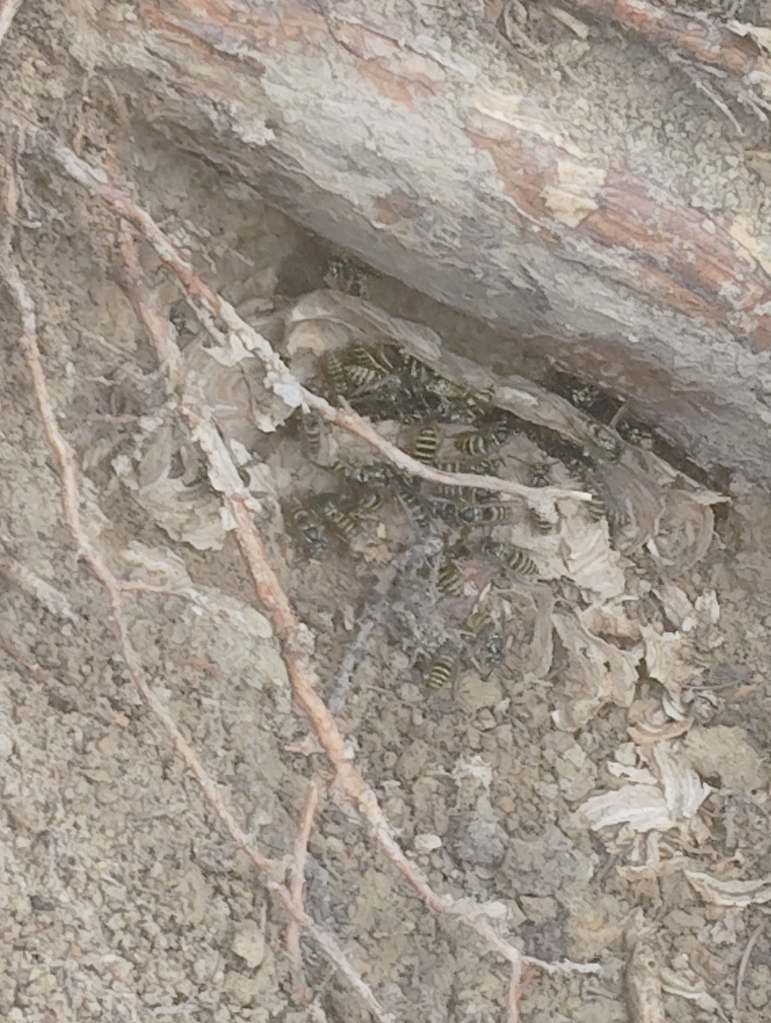
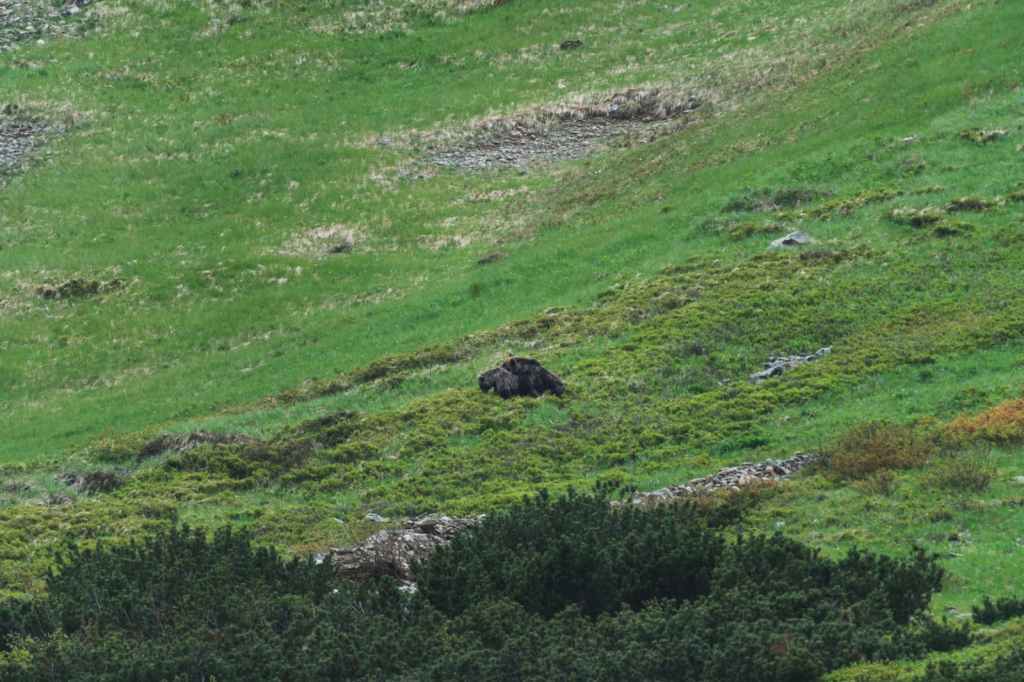
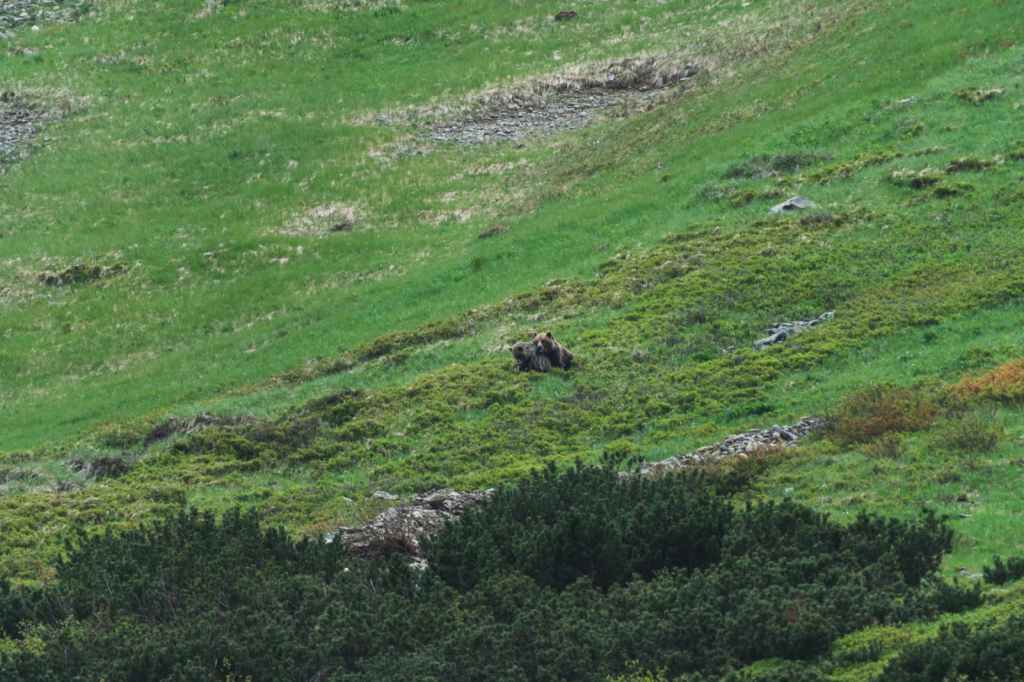
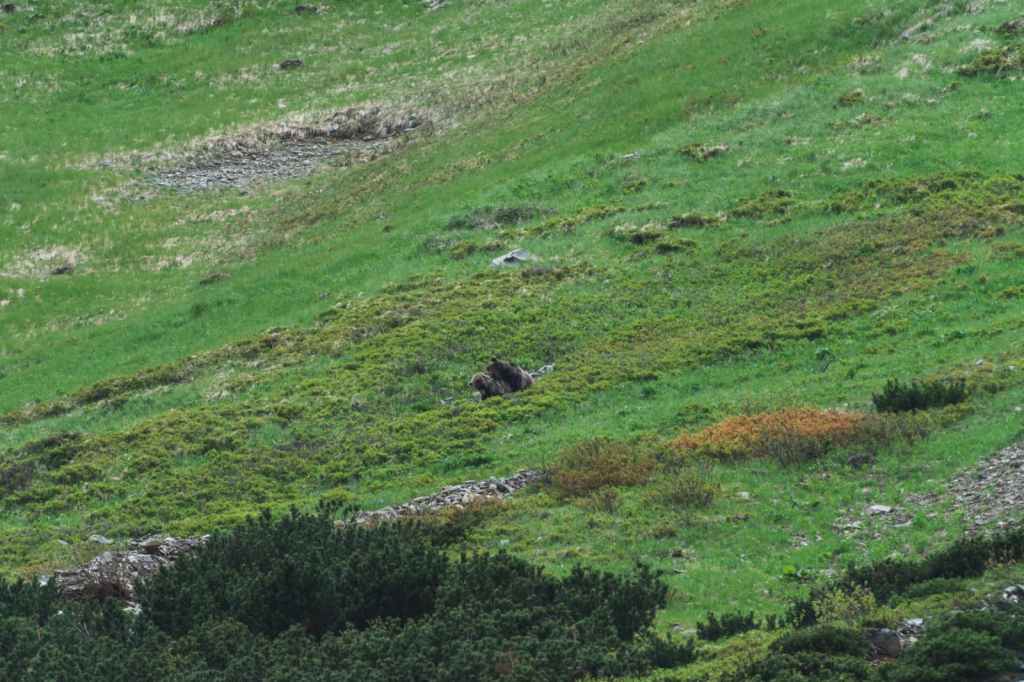
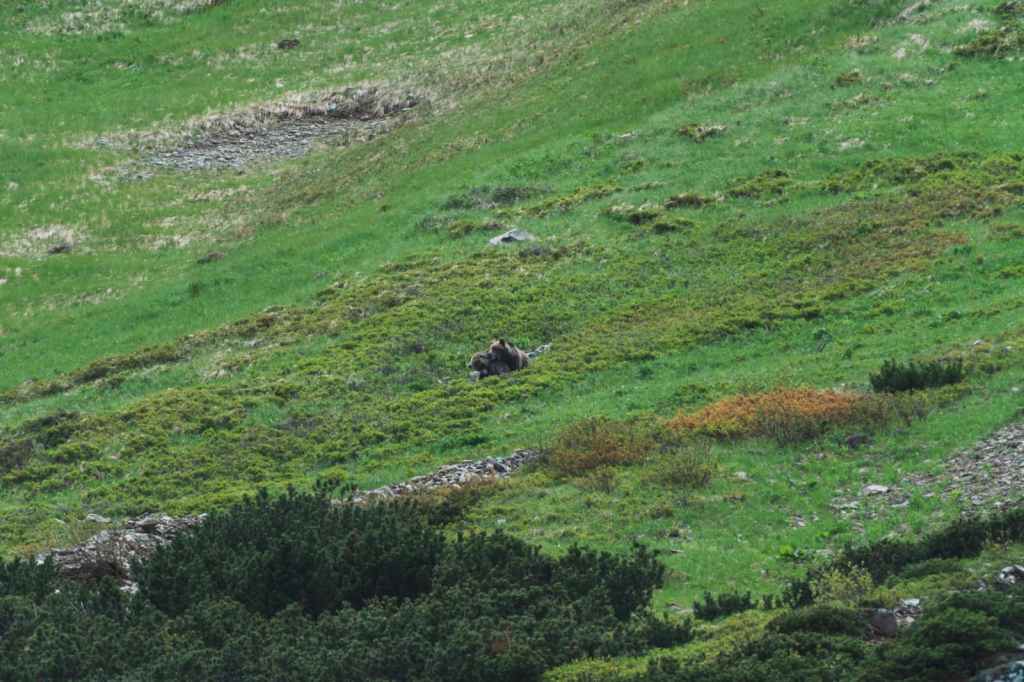
Foto done after fresh bear attack of below nest. The bear dug up a wasp nest.